
BARAKA TEXTILES
Welcome to PTEA B2b Exchange Gateway!
Standard Subscription

About BARAKA TEXTILES
Read more
Company Name: BARAKA TEXTILES
Baraka Textiles is a modern fabric manufacturing & printing company based in Karachi, Pakistan. We specialize in developing tailor-made woven and knit fabrics for the apparel industry. With 2 printing units, strong industry partnerships, 300+ labor force and over a decade of experience, our company is well positioned to cater to bulk programs for finished fabric.
Product Line
view more
-
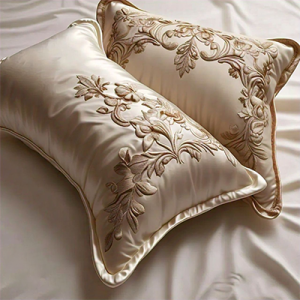
Pillow cases
XTitle: Pillow cases
Description: Pillowcases are protective coverings for pillows, typically made from materials like cotton, silk, satin, or linen. They come in various sizes and designs, including decorative and embroidered options. Pillowcases help keep pillows clean, enhance bedroom decor, and provide a comfortable surface for sleeping. Send us your inquiry
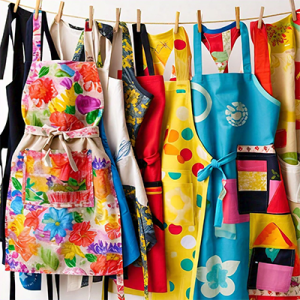
Aprons
XTitle: Aprons
Description: Size: Some aprons are categorized by size options, including small, medium, large, etc. Small aprons would be designed to fit individuals with smaller body frames, providing a better fit and comfort. Type: \"Small apron\" might also refer to aprons that cover only a portion of the body, such as waist aprons or half aprons. These are often used in settings where full coverage isn\'t necessary but some protection or utility (like pockets) is desired. Use Case: In culinary or service industries, a small apron could indicate a lighter-duty or less obtrusive apron style, suitable for tasks where minimal coverage or movement restriction is preferred. Send us your inquiry
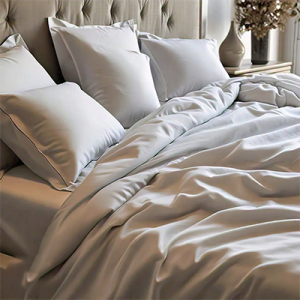
Bed sheets
XTitle: Bed sheets
Description: Bed sheets are essential bedding components that cover mattresses for comfort and protection. They come in various types such as fitted and flat sheets, made from materials like cotton, linen, microfiber, silk, or satin. Bed sheets are available in different sizes to fit beds ranging from twin to king sizes. They contribute to a comfortable and stylish bedroom environment while enhancing sleep quality. Send us your inquiry
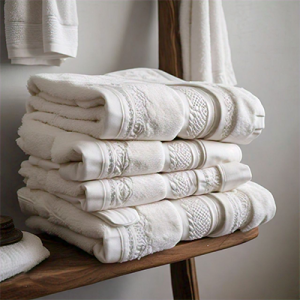
Home Towel
XTitle: Home Towel
Description: Hand Towels: Size: Smaller towels used primarily for drying hands in bathrooms, kitchens, or guest areas. Function: They are convenient for quick drying tasks and are often placed near sinks for easy access after washing hands. Kitchen Towels: Types: Includes dish towels, tea towels, and utility towels. Size: These towels are smaller than bath towels but larger than typical hand towels. Function: Used for drying dishes, wiping countertops, handling hot cookware, and general kitchen cleanup tasks. Cleaning Cloths: Size: Small, often square or rectangular cloths used for various cleaning tasks around the home. Material: Made from absorbent materials like microfiber or cotton for effective cleaning and wiping. Guest Towels: Size: Smaller towels typically used in guest bathrooms or powder rooms for drying hands. Design: Often decorative and may feature embroidery, lace, or other embellishments to enhance the guest bathroom decor. Travel Towels: Size: Compact towels designed for travel, camping, or gym use. Material: Lightweight and quick-drying materials such as microfiber, ideal for portability and convenience during travel. Send us your inquiry
Technologies Line view more-
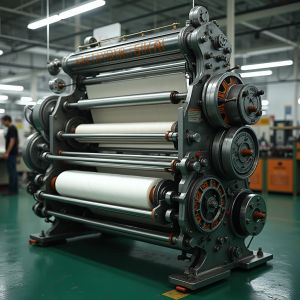
Warping Machine
XTitle: Warping Machine
Description: A warping machine is an essential piece of equipment in the textile industry used primarily in the preparation of warp yarns for weaving. Here’s a detailed description of its setup and operation: Purpose: Warp Preparation: The primary function of a warping machine is to create a warp beam, which holds parallel yarns (warp yarns) under tension in preparation for weaving. Setup and Components: Creel: Yarn cones or packages are mounted on a creel, which holds multiple yarn ends (typically one end per warp yarn) and allows them to unwind freely. Tensioning Device: Yarns pass through tensioning devices to maintain consistent tension as they are wound onto the warp beam. Warping Drum or Sectional Warping System: The core component where yarns are wound onto the warp beam. Warping Drum: Used in direct warping, where yarns are wound directly onto the beam in a continuous process. Sectional Warping System: Used in sectional warping, where yarns are wound onto several smaller beams (sections) which are later combined to form the full warp beam. Yarn Guide: Guides or eyelets ensure proper alignment and tension of yarns as they move from the creel to the warping drum. Warp Stop Motion: Detects yarn breaks and stops the machine to prevent issues during the warping process. Control Panel: Allows operators to set parameters such as warp length, yarn tension, and speed. Operation: Loading: Yarn ends are threaded from the creel through tensioning devices and yarn guides to the warping drum. Warping Process: As the drum rotates, yarns are wound onto the warp beam under controlled tension. The speed and tension are adjusted to ensure uniform winding and proper alignment of yarns. Inspection: Operators monitor the process for any yarn breaks or irregularities, using the warp stop motion to halt the machine if necessary. Beam Build-Up: Depending on the type of warping (direct or sectional), the full warp beam is built up with yarn layers wound in a precise pattern. Beam Removal: Once the desired length of warp yarn is wound, the warp beam is removed from the machine for further processing or directly transferred to a weaving machine. Types: Direct Warping Machine: Yarns are wound directly onto the warp beam in a continuous process. Sectional Warping Machine: Yarns are wound onto smaller beams (sections) which are later combined to form the full warp beam. Warping machines play a crucial role in ensuring the efficiency and quality of the weaving process by preparing warp yarns in a controlled and systematic manner. They are essential in both small-scale and large-scale textile production for various types of fabrics. Send us your inquiry
Warping Machine
XTitle: Warping Machine
Description: A warping machine is an essential piece of equipment in the textile industry used primarily in the preparation of warp yarns for weaving. Here’s a detailed description of its setup and operation: Purpose: Warp Preparation: The primary function of a warping machine is to create a warp beam, which holds parallel yarns (warp yarns) under tension in preparation for weaving. Setup and Components: Creel: Yarn cones or packages are mounted on a creel, which holds multiple yarn ends (typically one end per warp yarn) and allows them to unwind freely. Tensioning Device: Yarns pass through tensioning devices to maintain consistent tension as they are wound onto the warp beam. Warping Drum or Sectional Warping System: The core component where yarns are wound onto the warp beam. Warping Drum: Used in direct warping, where yarns are wound directly onto the beam in a continuous process. Sectional Warping System: Used in sectional warping, where yarns are wound onto several smaller beams (sections) which are later combined to form the full warp beam. Yarn Guide: Guides or eyelets ensure proper alignment and tension of yarns as they move from the creel to the warping drum. Warp Stop Motion: Detects yarn breaks and stops the machine to prevent issues during the warping process. Control Panel: Allows operators to set parameters such as warp length, yarn tension, and speed. Operation: Loading: Yarn ends are threaded from the creel through tensioning devices and yarn guides to the warping drum. Warping Process: As the drum rotates, yarns are wound onto the warp beam under controlled tension. The speed and tension are adjusted to ensure uniform winding and proper alignment of yarns. Inspection: Operators monitor the process for any yarn breaks or irregularities, using the warp stop motion to halt the machine if necessary. Beam Build-Up: Depending on the type of warping (direct or sectional), the full warp beam is built up with yarn layers wound in a precise pattern. Beam Removal: Once the desired length of warp yarn is wound, the warp beam is removed from the machine for further processing or directly transferred to a weaving machine. Types: Direct Warping Machine: Yarns are wound directly onto the warp beam in a continuous process. Sectional Warping Machine: Yarns are wound onto smaller beams (sections) which are later combined to form the full warp beam. Warping machines play a crucial role in ensuring the efficiency and quality of the weaving process by preparing warp yarns in a controlled and systematic manner. They are essential in both small-scale and large-scale textile production for various types of fabrics. Send us your inquiry

Smart Textiles
XTitle: Smart Textiles
Description: Integration of technology in textiles for features like temperature regulation and health monitoring, enhancing functionality of knitwear. Send us your inquiry
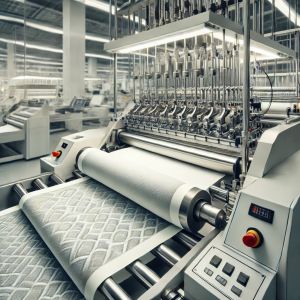
Finishing Machines
XTitle: Finishing Machines
Description: Machines used for finishing fabrics to improve their texture, appearance, and physical properties. Stenters, compactors, and calendaring machines are commonly used. Send us your inquiry
Member Certification view more-

PTEA
-

ISO 9001
XTitle: ISO 9001
Description: ISO 9001 certification demonstrates a company's commitment to quality management and continuous improvement. This international standard helps organizations enhance customer satisfaction, streamline processes, and ensure consistent quality across products Send us your inquiry

BCI (Better Cotton Initiative)
XTitle: BCI (Better Cotton Initiative)
Description: BCI (Better Cotton Initiative) promotes sustainable cotton production through certification and standards that enhance environmental, social, and economic practices in the cotton industry. Support ethical and sustainable cotton sourcing with BCI certifica Send us your inquiry

Ukas Management system
XTitle: Ukas Management system
Description: UKAS Management System provides accredited certification for various international standards including ISO 9001, ISO 14001, and ISO 45001. Ensure quality, compliance, and efficiency in your business operations with UKAS accreditation. Send us your inquiry
Contact InformationName: Mr. Mahmood Ahmed
Address: Plot 72, Sector 15, Korangi Industrial Area, Karachi - Pakistan
Website: https://barakatextiles.com
Profile URL: https://ptea.petrolsolutions.com/baraka textiles
Certifications:

About Me